
The Feminine Grotesque No.4: Perfect Blue (1997)
In this personal essay about my experiences with sexual assault and emotional abusive, I discuss how Satoshi Kon's anime film gave me a PTSD flashback that was a wake-up call.

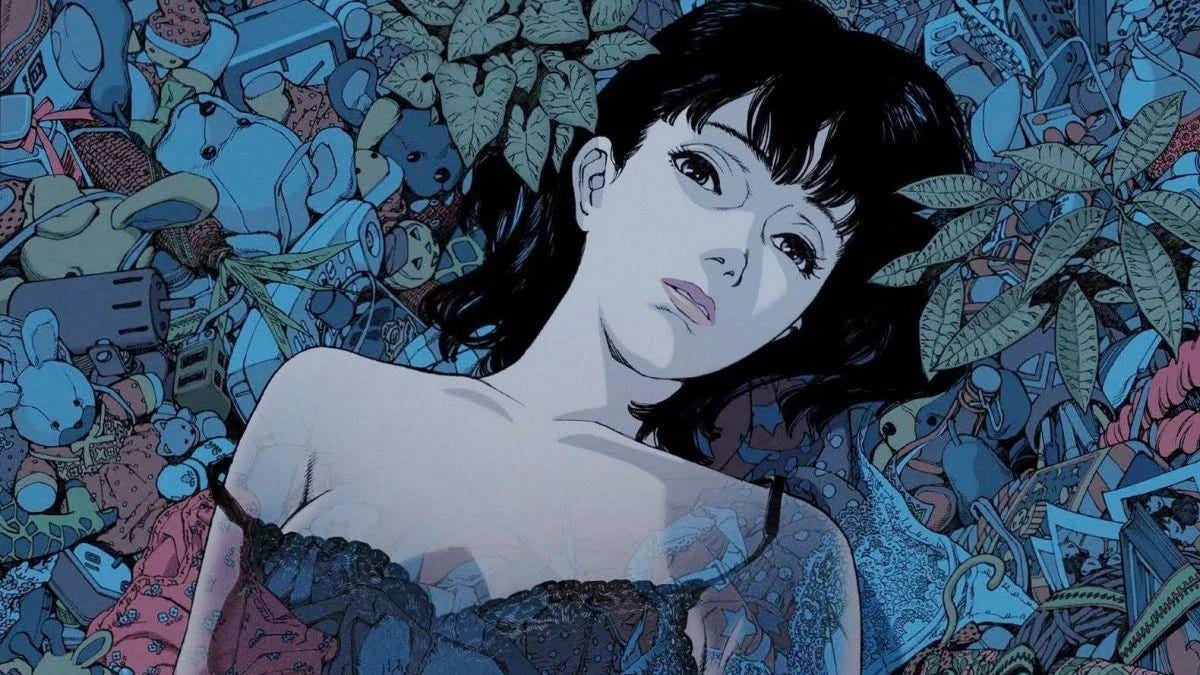
The Feminine Grotesque is an occasional column about female madness.
This essay is highly personal and may be triggering for some as it discusses my experiences with sexual assault and separately, an emotionally abusive relationship I have been happily free of for two years.
When I was in my mid-twenties, working a series of odd gigs alongside the more routine drudgery at bookstores, not even cracking 20k a year, my ideas on womanhood, the power of images, and madness were coalescing into something interlocking and meaningful. Out of this deep thought, research, and personal experience, I came up with The Feminine Grotesque. From women’s pictures to horror flicks, The Feminine Grotesque is a term I created to describe an ethos, a manifesto, and a subgenre of sorts that explores the darker side of womanhood and femininity by way of madness; complicating notions of beauty, desire, autonomy and power.
The emotional, social, and psychological problems that are specifically connected to the character’s sense of womanhood provide the meat and gristle of this genre. The questions of women’s pictures turn on their pretty heads in The Feminine Grotesque. The tools of beauty — physicality, dress, makeup — become weapons that wound as much as they empower.
Like women’s pictures, The Feminine Grotesque offers visual liberation from the confining strictures of the patriarchy. No matter how temporary, women are able to see themselves as bold, defiant, vulnerable, sexually realized, ambitious and hopeful. The films (and television and literature) of The Feminine Grotesque obsess over female desire and subjectivity, but even with this strong feminist impulse, the genre is often muddled by endings that show these women integrating themselves but lacking any hope for a future. In cinema, like in life, it often feels like there is rarely hope for the madwoman.
Examples from the last several years include the Amazon TV series Swarm starring Dominique Fishback and Dead Ringers starring Rachel Weisz, the lesbian neo-noir Love Lies Bleeding, and the Victorian pastiche Poor Things. Other older examples of The Feminine Grotesque are My Name Is Julia Ross, The Craft, Identikit, Ginger Snaps, Possession, and Now, Voyager, if not damn near all of Bette Davis’ illustrious career. Check out my Letterboxd list for my growing library of examples of this ethos, almost-genre.
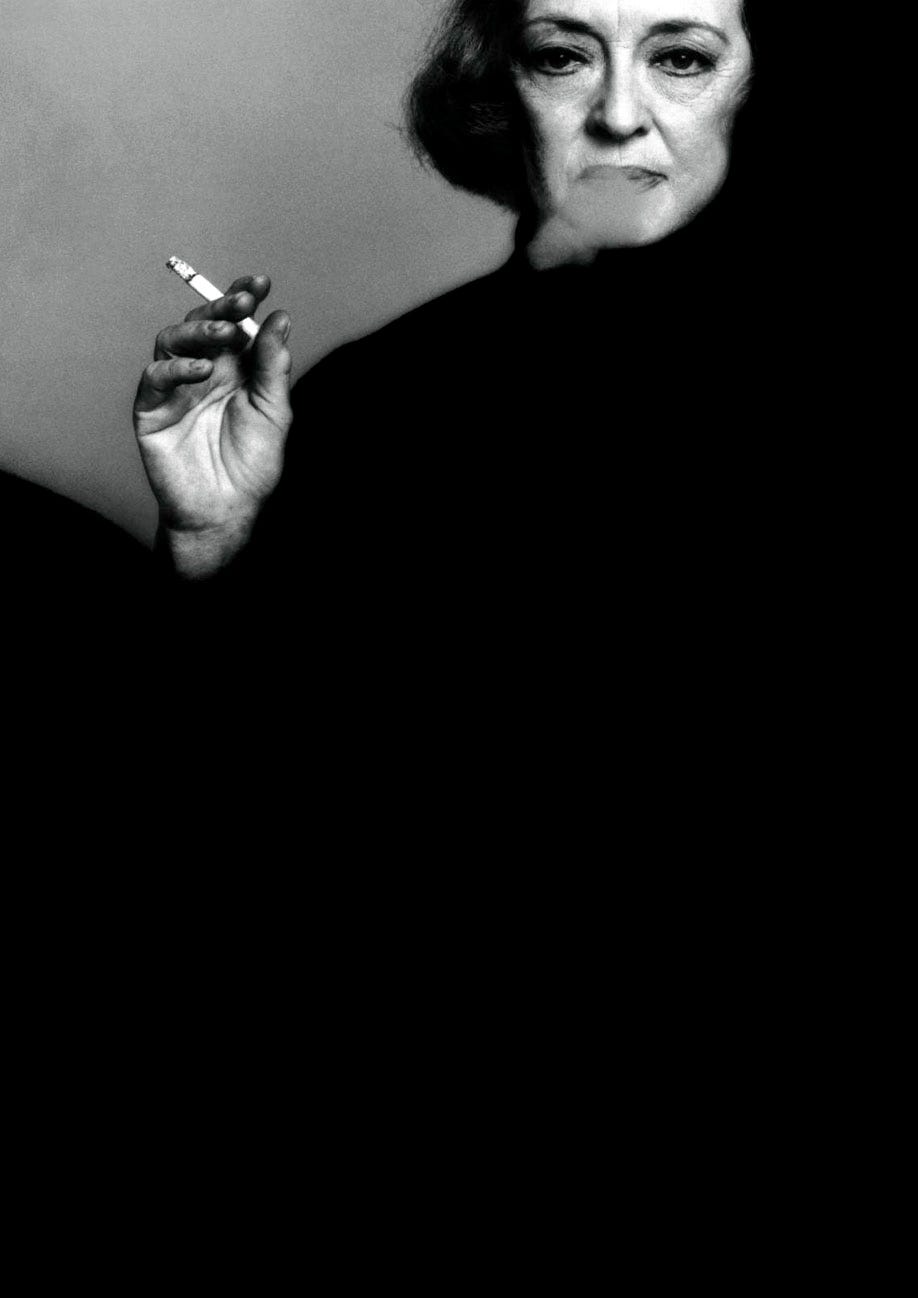
Madwoman (noun)
1. A woman who experiences mental illness.
2. A woman with a transgressive place in society because of her anger, sexuality and/or refusal to play by the rules.
3. A woman ruled by her passions. (see: Kitt, Eartha)
4. A woman of fire and music. (see: Davis, Bette in All About Eve)
Once you recognize the madwoman she is impossible to ignore.
***
Here’s a brief writing lesson. I’ve often been asked about how to interweave discussing the aesthetic, film production, and historical context with the emotional in reviews as a film critic, especially in university classes I’ve been brought to for lectures. “How do you formulate your reviews?” I start with the emotional and the bodily reactions the film engendered. I am a proponent of embodied criticism, after all. I learned this when I reviewed Kathryn Bigelow’s racist spectacle, Detroit, in 2017 for Roger Ebert when I still was freelance. In the press screening, I felt my bodily temperature rising, my teeth grinding. I was edging toward a panic attack so fast I wanted to walk the fuck out of the theater. But I had a review to write and bills to pay.
I couldn’t afford to forgo the screening. In order to write the review — and make sense of my intense emotional response — I reverse engineered things. What filmmaking choices were made — aesthetically and narratively — that led to such a profound response? This makes the act of untangling your emotional, intellectual, and bodily response to a piece of art sound simple. But sometimes our emotions prove too slippery to handle, the meaning behind them too fraught, their factual accuracy woefully off the mark. This was definitely the case when I watched the anime Perfect Blue, the 1997 film debut of director Satoshi Kon, for the first time in May 2024.
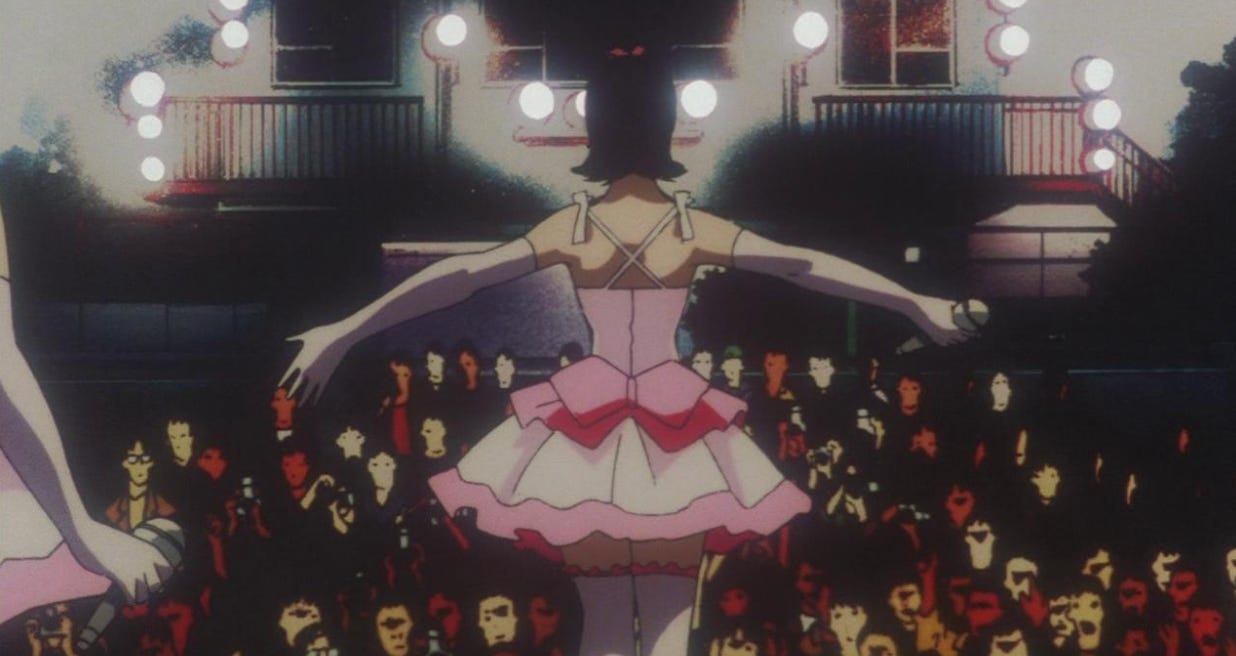
The late Satoshi Kon’s work is slippery, mercurial, magnificent. The animators, voice actors, writers, and Kon himself craft worlds that feel surreal yet rooted in honesty and poignant in their intensities. But I held off on Perfect Blue — blessedly not getting spoiled much over the years about the journey it takes you on — because of hearing about the force of the rape scenes. My now ex-boyfriend/live-in partner had mentioned months previously that the film’s moments of sexual violence were notably severe.
I was already feeling more porous than usual the night we watched it in 2024 because of an earlier argument in which I kept trying to reword my hurts in order for him to understand me. It’s only in hindsight that I realize he understood me just fine — he just wanted to hurt me. When my ex decided on the film to watch the same night of our tense, consuming argument I was confused by his decision. When the film gets to the first rape scene — which is simulated given it’s on a film set and not a “real event” the way the second assault actually is — something cracked inside of me. And what spilled forth was something I avoided facing for a long time.